It can also be called Diastasis recti of the abdominal muscles (DRAM) or tummy gap. It is the widening and thinning of a small connective tissue which runs down our midlines, dividing our six pack muscle into two halves. This connective tissue is called the linea alba and it runs all the way from the bottom of our sternum to our pubic bone. As the tissue widens, the two halves of the six pack muscle move further apart, and this is where the term ‘tummy muscle separation’ comes from.
Have you ever heard about women who leak just a bit of urine when lifting weights at the gym? Or perhaps you have a friend who complains of small leakage or pain when going for a run? Or maybe when you exercise you may feel an intense pressure down there?
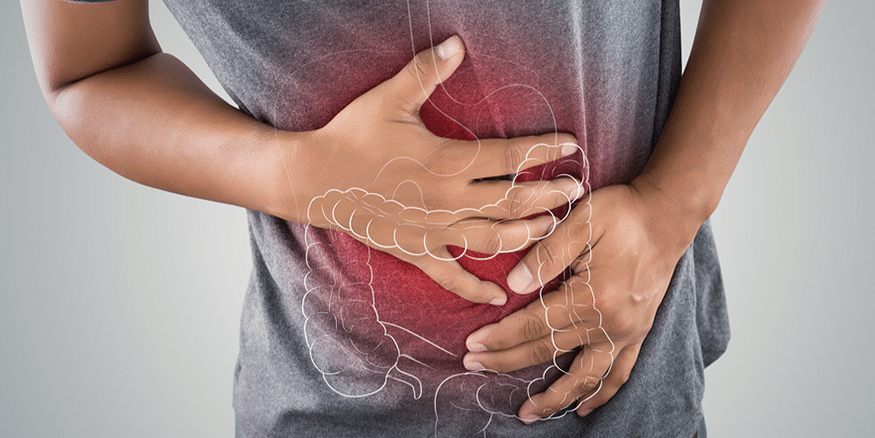
You may even feel the need to use enemas, suppositories, or laxatives in order to maintain regular bowel movements.
What causes constipation?
Poor eating habits (for example, too much junk food, too much caffeine, irregular eating times)
Diet lacking in fiber and/or fluids
Lack of exercise
Some medications (including pain medications, tranquilizers, psychiatric medications, diuretics, iron supplements, calcium supplements, and aluminum containing antacids)
Stress
Pregnancy
Travel
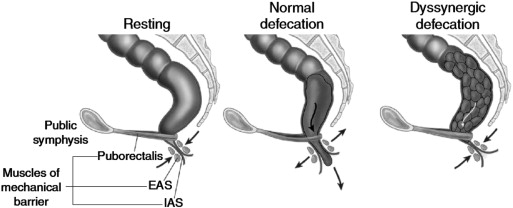
Problems with the function of the pelvic floor muscles. The muscles may not relax appropriately when trying to pass stool, making it difficult and sometimes painful to have a bowel movement.
As many as 50 percent of people with chronic constipation have pelvic floor dysfunction (PFD) — impaired relaxation and coordination of pelvic floor and abdominal muscles during evacuation.
Because slow transit constipation and functional constipation can overlap with pelvic floor issues, some patients may also present with other signs and symptoms, such as a long time between bowel movements and abdominal pain.
Treating constipation
Increase your fiber – Fiber helps general bowel health by bulking and softening stool which makes it easier to pass.
Allow yourself time after meals – allow time for the body’s natural emptying reflex. This reflex occurs approximately 30 minutes after eating a meal or drinking a hot beverage and is the body’s automatic mechanism to move stool. This usually happens in the mornings.
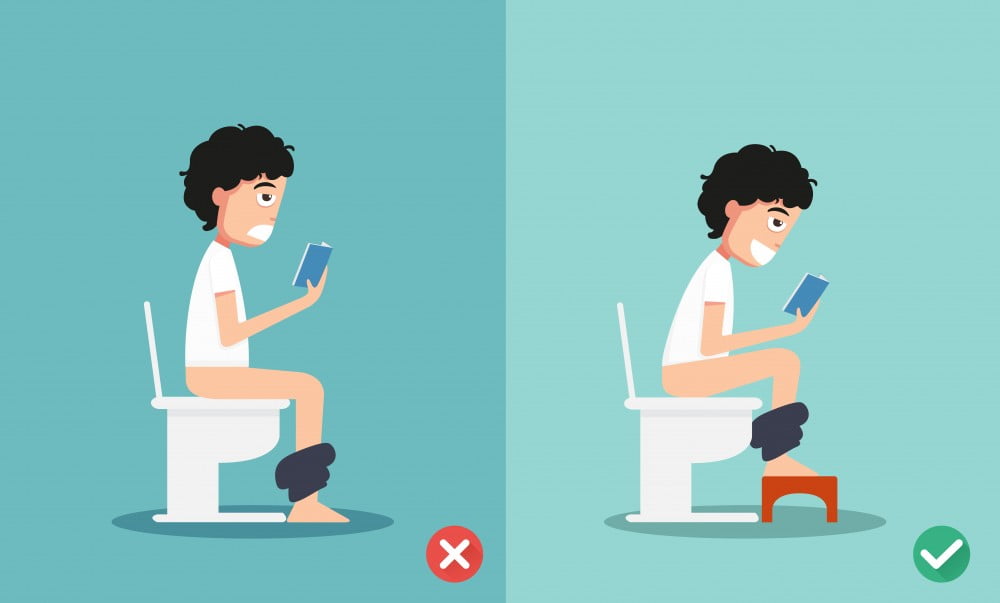
Proper position on the toilet – To allow for your pelvic floor muscles to relax as much as possible, it is helpful to properly position yourself (sit) on the toilet. Be sure your knees are positioned higher than your hips, use a foot stool if necessary.
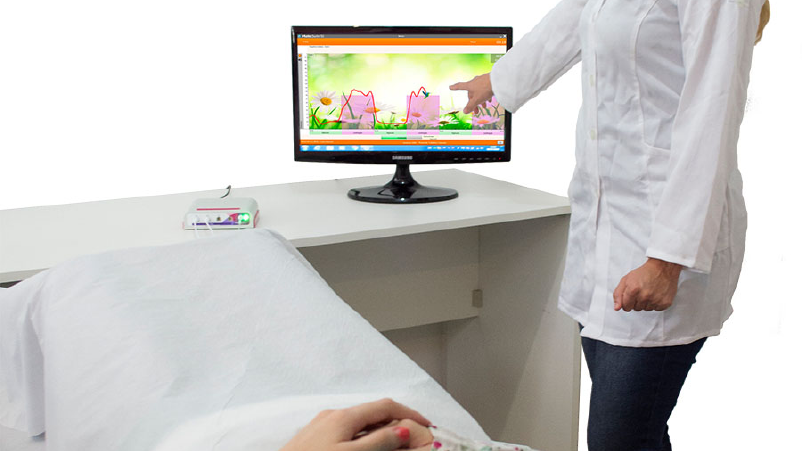
See a Pelvic Floor Physiotherapist – Patients may meet individually with a specialist Pelvic Floor Physio who can provide a focused session on bowel management techniques. We can then begin retraining the pelvic floor muscles with biofeedback. Based on the principle of operant conditioning, biofeedback provides auditory and visual feedback to help retrain the pelvic floor and relax the anal sphincter.
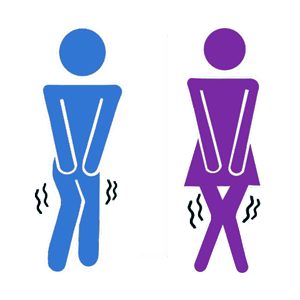
Have you ever heard of this term? Or maybe you know a friend who sometimes needs to rush to the toilet to urinate and may leak before getting there? The symptoms include:
Urgency:
Sudden urgent desire to pass urine. You are not able to put off going to the toilet.
Latch key urgency is the name given to the urgent need you might feel to pass urine as soon as you get home and put your key in the door.
High frequency:
Going to the toilet more often than normal – usually more than 8-9 times a day.
Nocturia:
This means waking up to go to the toilet more than once at night.
Urge incontinence:
This occurs in some people with OAB. It is a leaking of urine before you can get to the toilet when you have a feeling of urgency.
Around four out of ten women suffer from some type of pain during sexual intercourse. The term dyspareunia simply means “painful sexual intercourse”. Pain can happen after intercourse, during intercourse or even before intercourse takes place.
Evelyn Mendel participated in the course on Physical Therapy in Female Sexual Dysfunctions this past weekend with the Pelvic Floor Physio Carla Pereira, a reference in the area of sexuality! Evelyn also helped organize the course to bring to Porto Alegre/ Brazil the very best in the study of Physiotherapy and Female Sexuality.
It is always import to continue my professional development to always improve the sex life and quality of life of women!
A pelvic floor musculature that will not cause problems is one that is and will remain healthy.
It is estimated that around 40% of women between 45 and 60 years of age present one of the main disorders caused by alterations in the pelvic floor, called urinary incontinence. Among its causes is muscle weakness.
Several other problems can arise as a consequence of an unhealthy pelvic floor, such as: Pain during intercourse, problems with arousal and orgasm (40% of women report having at least 1 symptom related to sexual function), erectile dysfunction and other sexual dysfunctions, prolapse of pelvic organs, urinary retention and constipation, incontinence of gas or feces.





 Tauranga Pelvic Health Physiotherapy