
It can also be called Diastasis recti of the abdominal muscles (DRAM) or tummy gap. It is the widening and thinning of a small connective tissue which runs down our midlines, dividing our six pack muscle into two halves. This connective tissue is called the linea alba and it runs all the way from the bottom of our sternum to our pubic bone. As the tissue widens, the two halves of the six pack muscle move further apart, and this is where the term ‘tummy muscle separation’ comes from.
Continue reading “Abdominal separation post-partum”Tag: physiotherapypregnancy
Pelvic girdle pain
PGP is common, affecting 1 in 5 pregnant women, and can affect your mobility and quality of life.
PGP can be mild to severe but is treatable at any stage in pregnancy and the sooner it is treated, the more likely you are to feel better. It is more common later in pregnancy.
Continue reading “Pelvic girdle pain”Painful sex after childbirth
Recent evidence shows that sexual health issues are very common after birth, with 61% of women reporting problems with pain during sex at three months postpartum, and 20% at twelve months postpartum. This simply means you are far from alone if postpartum sex is less desirable than before pregnancy.

Regardless of how you give birth, your pelvic floor supports your uterus and baby throughout your pregnancy, and pelvic pain after c-section, particularly during sex, is very common too.
The causes of pain during sex can vary and must be carefully evaluated to be treated appropriately. We know that the postpartum period is a very delicate time for women, as they face a series of changes, a lot of tiredness, and even postpartum depression. All of this can negatively impact your sex life.
The main factors related to the appearance of pain during sexual intercourse are linked to the following:
- Hypertonicity of the pelvic floor/ difficulty relaxing pelvic floor: Sometimes birth (vaginal or c-section) can unmask latent trigger or tender points in the pelvic floor. This can make pain with penetrative or deep intercourse very painful.
- presence of episiotomy;
- vaginal lacerations;
- breast-feeding;
- pain during intercourse during pregnancy;
- pain during sexual intercourse prior to pregnancy;
- endometriosis;
- depression;
- image disturbances;
- stress;
In addition, one of the frequent changes in postpartum women who breastfeed is vaginal dryness, which can only be noticed a little after childbirth (when sex life can resume), due to this pause period and hormonal changes. An increase in the hormone prolactin, which is responsible for milk production, very important in breastfeeding, will cause a decrease in circulating estrogen levels, responsible for vaginal lubrication.
That is why we will usually recommend the use of lots of lube for sex during this period!
There are other few things you can do to prevent or minimize pain during sex in the postpartum period.
First of all, see a pelvic floor physical therapist for a postpartum assessment to address your concerns.
They can be very helpful in checking your pelvic floor in finding the driver to why you may be experiencing dyspareunia in the first place.
You can also take part in quite a lot of foreplay and try different positions.
While some pain during postpartum sex can be common at first, it does not have to become chronic. If you’re experiencing painful sex after birth, seek help!
What happens to your pelvic floor after childbirth
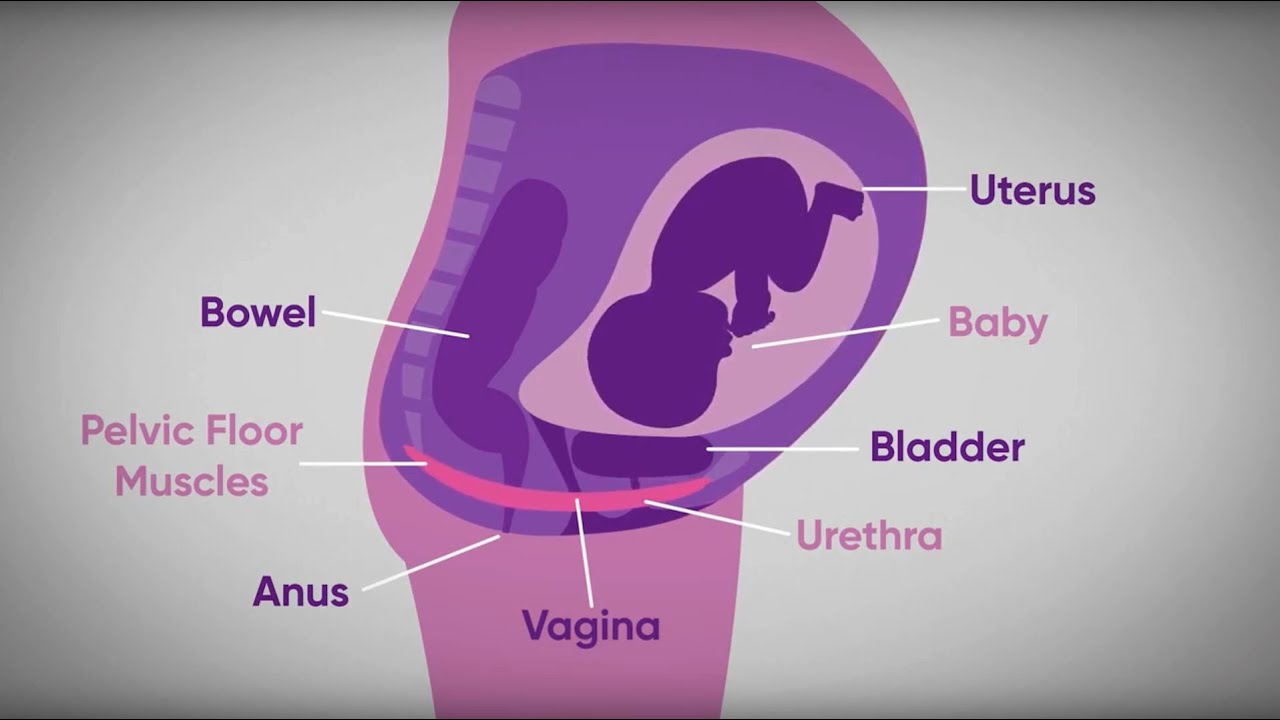
Pregnancy and the pelvic floor muscles
The levator ani muscle serves two major functions in the female body: supporting the vagina and pelvic organs and maintaining urinary and bowel continence. As a woman enters her third trimester and prepares for birth, these muscles become strained to support the baby’s growth and delivery.
Safe return to exercise after pregnancy
A lot of postnatal mums ask themselves when they should be safe to start exercising after childbirth, and the answer is that: it depends on your individual circumstances.

What is the importance of Pelvic Floor Physiotherapy during pregnancy?
Pregnancy is a period of intense musculoskeletal, physical and emotional changes.

The physiotherapist is able to assess and monitor physical changes, focusing primarily on maintaining well-being. We are also able to examine and treat the patient who has specific musculoskeletal impairments, incorporating knowledge of tissue damage and regeneration to the changes that occur during pregnancy.
Continue reading “What is the importance of Pelvic Floor Physiotherapy during pregnancy?”
 Tauranga Pelvic Health Physiotherapy