
PGP is common, affecting 1 in 5 pregnant women, and can affect your mobility and quality of life.
PGP can be mild to severe but is treatable at any stage in pregnancy and the sooner it is treated, the more likely you are to feel better. It is more common later in pregnancy.
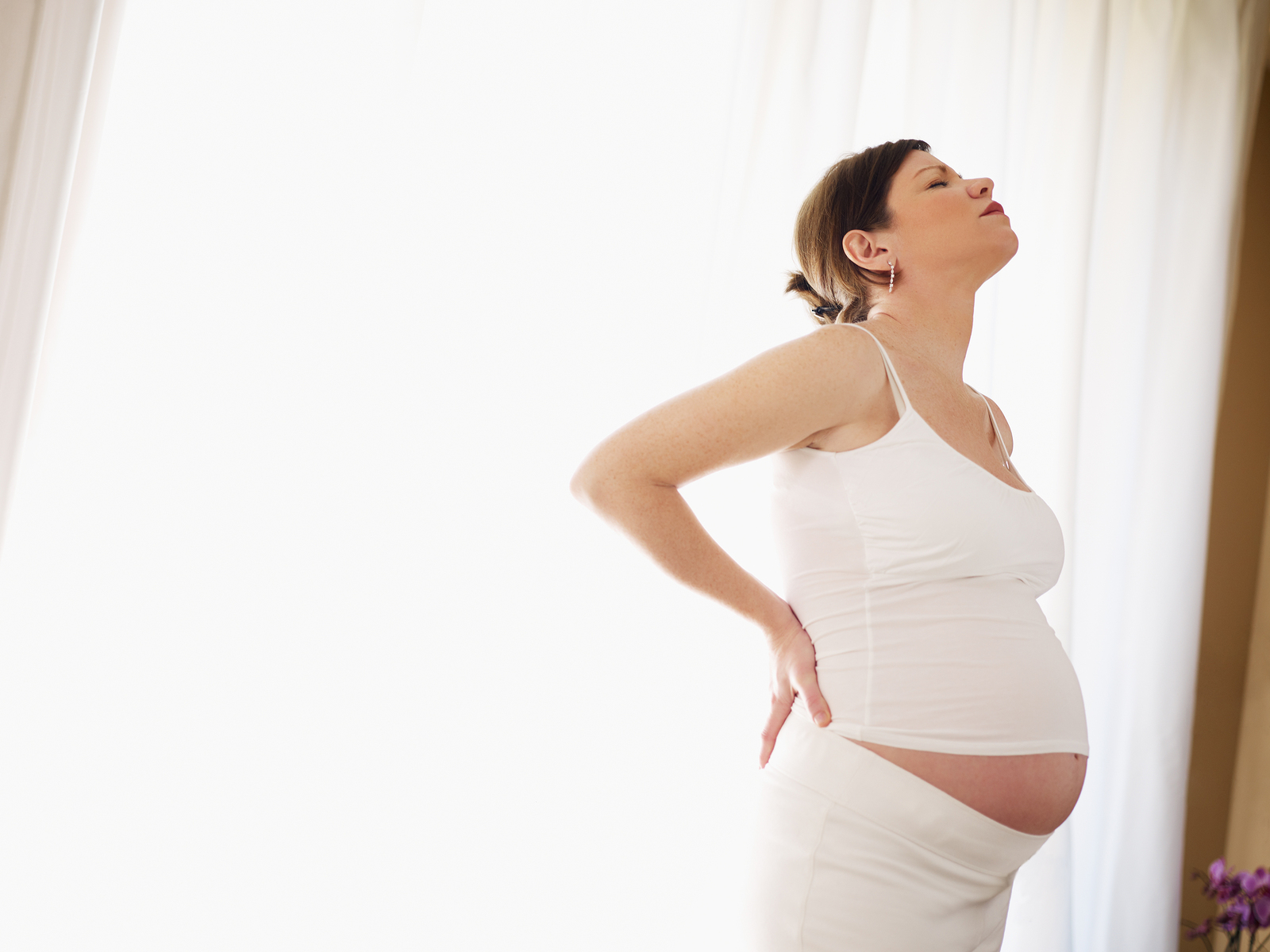
The pelvic girdle is a ring of bones around your body at the base of your spine. PGP is pain in the front and/or the back of your pelvis that can also affect other areas such as the hips or thighs. It can affect the sacroiliac joints at the back and/or the symphysis pubis joint at the front.

Symptoms can include:
- pain in the pubic region, lower back, hips, and groin.
- clicking or grinding in the pelvic area
- pain made worse by movement, for example:
- walking on uneven surfaces/rough ground or for long distances
- moving your knees apart, like getting in and out of the car
- standing on one leg, like climbing the stairs, dressing or getting in or out of the bath
- rolling over in bed
- during sexual intercourse.
Causes
- Changes in hormones, tissue laxity, weight distribution/gain, muscle weakness/tightness associated with pregnancy and postpartum. – As your baby grows in the womb, the extra weight and the change in the way you sit or stand will put more strain on your pelvis.
- Trauma
- A fall
- A motor vehicle accident
- Falling downstairs
- Stepping into a hole
- Sports injuries
- Arthritis or osteoarthritis
Treatments
Getting diagnosed as early as possible can help keep pain to a minimum and avoid long-term discomfort.
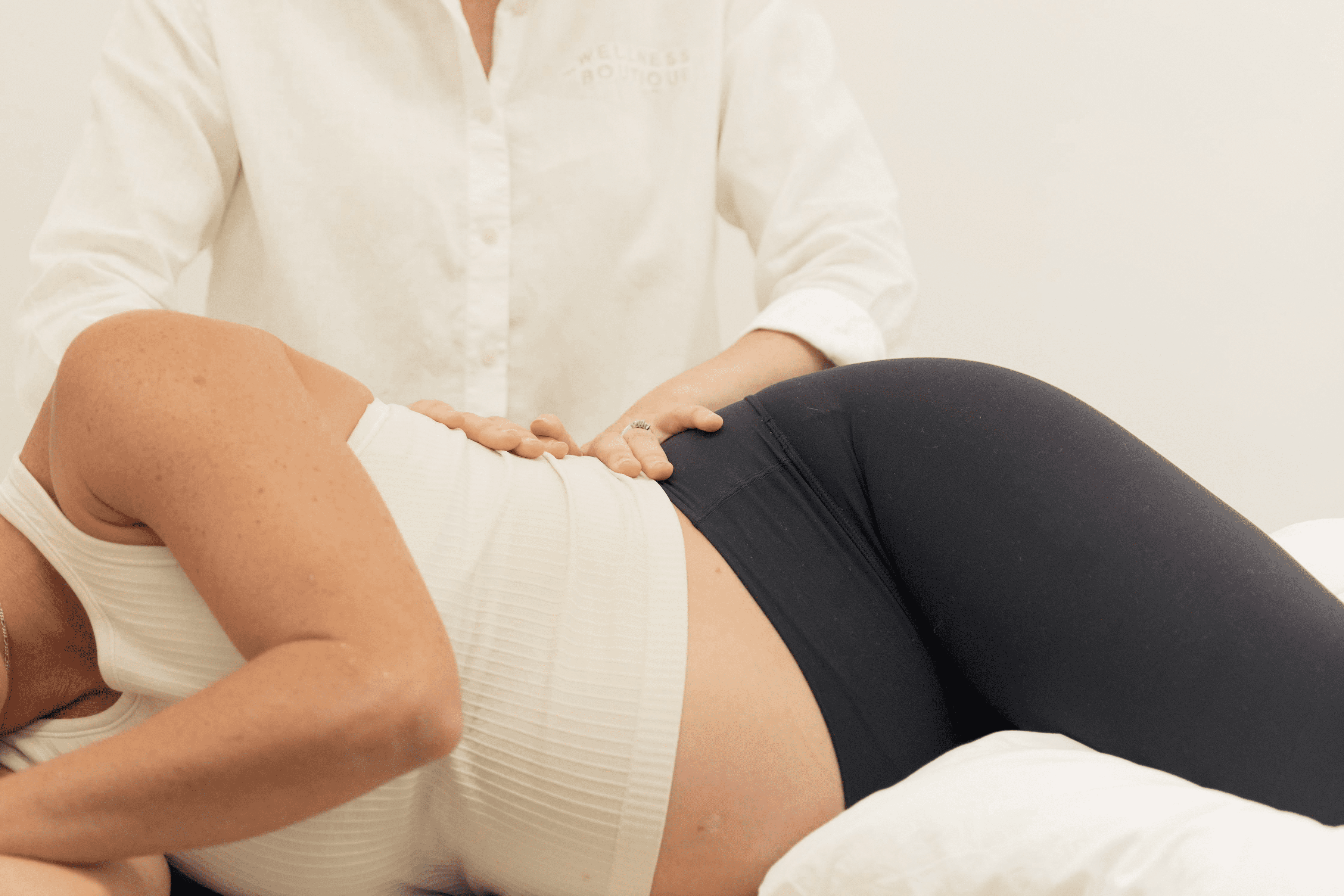
Pelvic floor physiotherapy aims to relieve or ease pain, improve muscle function, and improve your pelvic joint position and stability.
This may include:
- exercises to strengthen your pelvic floor, stomach, back and hip muscles
- equipment, if necessary, such as crutches or pelvic support belts

 Tauranga Pelvic Health Physiotherapy