
Technically, you’re not “in menopause” until you’ve gone a full year without a period. At that point, your ovaries are considered to be on a permanent vacation and you can no longer get pregnant. Perimenopause refers to the stage beforehand — when your ovaries are winding down. This period can be from 2 to 10 years before menopause during which changes in progesterone, estrogen, and testosterone hormone levels occur. The average age for menopause in New Zealand is 51.5 years but it can occur anytime between the ages of 42 and 56.
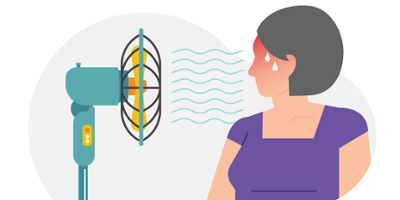
The most common and well-known symptoms of perimenopause include: Mood changes, Hot flashes and night sweats, Trouble with sleep, Changes in sexual desire, Joint and muscle aches.
Oestrogen plays an important role in keeping the tissues of our vulva, vagina, bladder and pelvic floor muscles strong and flexible. When oestrogen levels drop due to menopause, it is common for women to experience pelvic symptoms, particularly genitourinary symptoms. These symptoms previously known as Atrophic Vaginitis or Vulvovaginal Atrophy (VVA), have in recent years been renamed ‘Genitourinary Syndrome of Menopause’ (GSM) to more accurately reflect the multiple changes that occur during menopause.
Those symptoms can include:
- Vaginal dryness or burning
- Painful sex
- Urinary frequency or and urgency to pee
- Pain with urination
- Recurrent urinary tract infections
- Urinary Incontinence
- Pelvic organ prolapse
- Decreased libido
- Difficulties in achieving orgasm

It has been reported that genitourinary symptoms of menopause are bothersome in more than 50% of postmenopausal women. Unfortunately, due to the sensitive nature of symptoms, or perhaps lack of awareness of treatment options, women may not seek medical assistance. In contrast to the menopausal hot flushes and night sweats which ease and cease over time, pelvic symptoms persist or continue to progress.
Whilst it is never too late to address these symptoms, consulting a PELVIC FLOOR PHYSIO prior to menopause can assist in ensuring optimal pelvic function is maintained for longer and minimise future symptom development.
The days when women had to suffer in silence during menopause are gone. Today, many resources are available to help you chart a personal and very interesting route on this new journey. So read on, educate yourself, and discuss your thoughts or concerns with your doctor and other women who may be going through the same process.
Make sure you book an appointment with me to discuss your symptoms or to prevent them!

 Tauranga Pelvic Health Physiotherapy