You may even feel the need to use enemas, suppositories, or laxatives in order to maintain regular bowel movements.
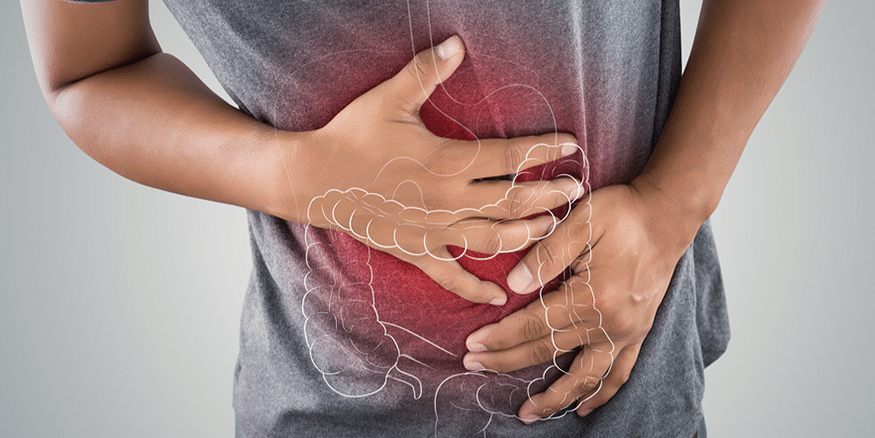
What causes constipation?
Poor eating habits (for example, too much junk food, too much caffeine, irregular eating times)
Diet lacking in fiber and/or fluids
Lack of exercise
Some medications (including pain medications, tranquilizers, psychiatric medications, diuretics, iron supplements, calcium supplements, and aluminum containing antacids)
Stress
Pregnancy
Travel
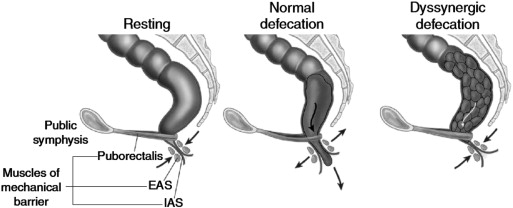
Problems with the function of the pelvic floor muscles. The muscles may not relax appropriately when trying to pass stool, making it difficult and sometimes painful to have a bowel movement.
As many as 50 percent of people with chronic constipation have pelvic floor dysfunction (PFD) — impaired relaxation and coordination of pelvic floor and abdominal muscles during evacuation.
Because slow transit constipation and functional constipation can overlap with pelvic floor issues, some patients may also present with other signs and symptoms, such as a long time between bowel movements and abdominal pain.
Treating constipation
Increase your fiber – Fiber helps general bowel health by bulking and softening stool which makes it easier to pass.
Allow yourself time after meals – allow time for the body’s natural emptying reflex. This reflex occurs approximately 30 minutes after eating a meal or drinking a hot beverage and is the body’s automatic mechanism to move stool. This usually happens in the mornings.
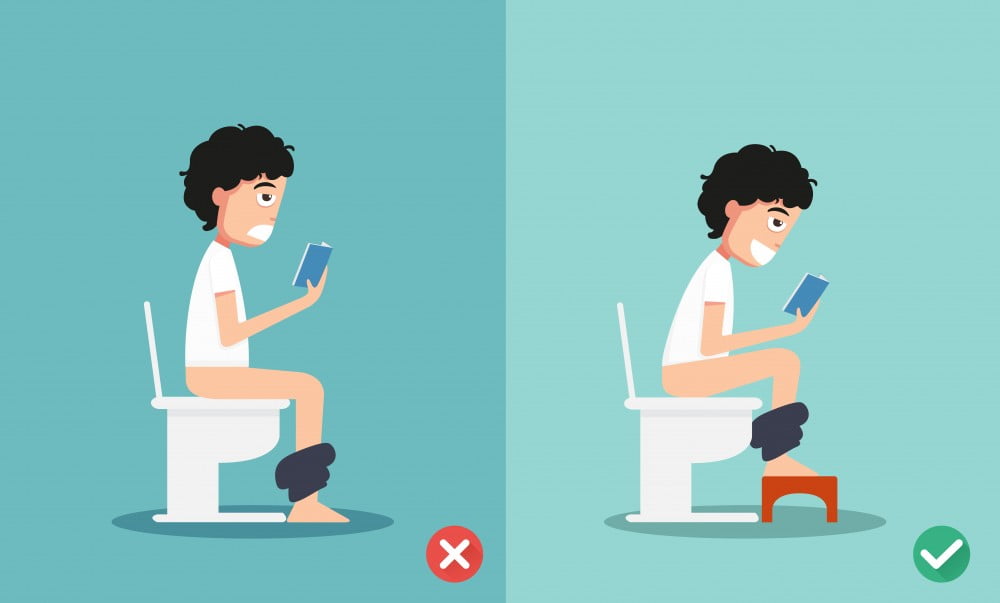
Proper position on the toilet – To allow for your pelvic floor muscles to relax as much as possible, it is helpful to properly position yourself (sit) on the toilet. Be sure your knees are positioned higher than your hips, use a foot stool if necessary.
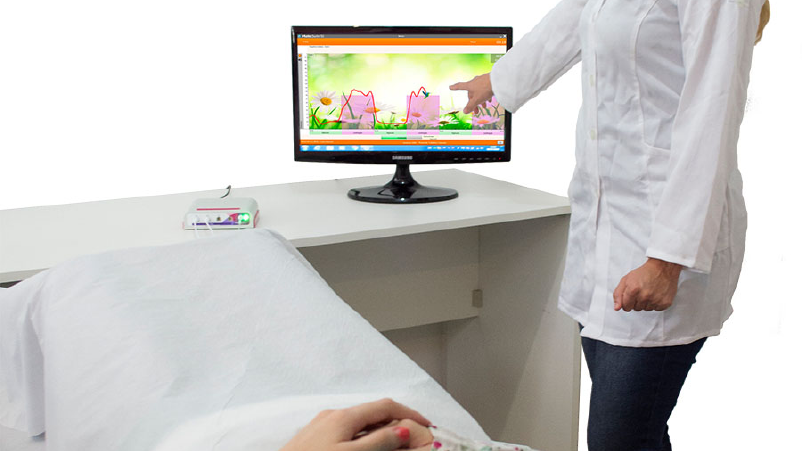
See a Pelvic Floor Physiotherapist – Patients may meet individually with a specialist Pelvic Floor Physio who can provide a focused session on bowel management techniques. We can then begin retraining the pelvic floor muscles with biofeedback. Based on the principle of operant conditioning, biofeedback provides auditory and visual feedback to help retrain the pelvic floor and relax the anal sphincter.


 Tauranga Pelvic Health Physiotherapy